Pinning Down Creativity: How Pinterest Became the Digital Mood Board of a Generation

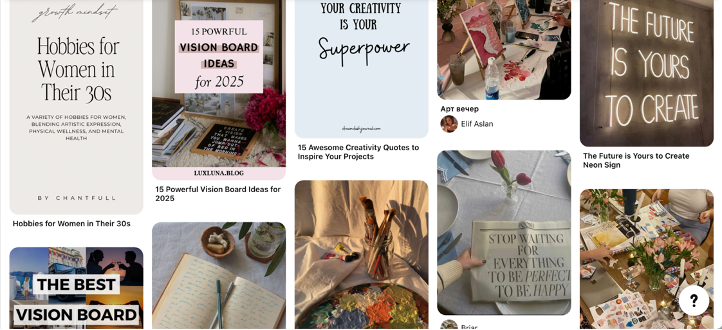
Every great idea starts with a spark. But without a place to store and develop inspiration, it can fade. That’s where Pinterest comes in—turning fleeting creativity into a curated collection of possibilities. Since its launch in 2010, Pinterest has revolutionized how people discover, organize, and act on inspiration, evolving from a simple digital pinboard into a creativity powerhouse.
Creativity thrives in structured spaces, and Pinterest was built to provide that structure. Co-founders Ben Silbermann, Paul Sciarra, and Evan Sharp envisioned a seamless way to organize digital ideas. Early adopters, mainly artists and designers, embraced its invite-only model, and by 2012, it had 10 million diverse users. This rapid growth reflected a widespread need for an organized space where ideas could be discovered and developed.
Developed ideas on Pinterest don't remain passive; they spark action. Unlike Instagram, which emphasizes personal branding, Pinterest is an archive, brainstorming tool, and vision board all in one. It sets itself apart from platforms that thrive on controversy and doomscrolling. Pinterest fosters a sense of discovery without the distractions of social media debates. Users don’t just consume content—they curate and engage with it. Over time, features like algorithm-driven recommendations, shoppable pins, and collaborative boards reinforced its role as a tool for makers and visionaries.
This tool is tied to how our brains process visual information. SEO expert Ilias Ism states that humans process images 60,000 times faster than text. According to a 2024 Forbes article by Kate Hardcastle, Pinterest’s strength lies in shaping consumer behavior without the noise of traditional social media. Unlike platforms driven by fleeting trends, Pinterest fosters long-term engagement, allowing users to organically interact with ideas and brands. A user searching for "baby shower themes" might end up planning an entire event. This evolving ecosystem reinforces Pinterest’s role as a space for action rather than mere consumption.
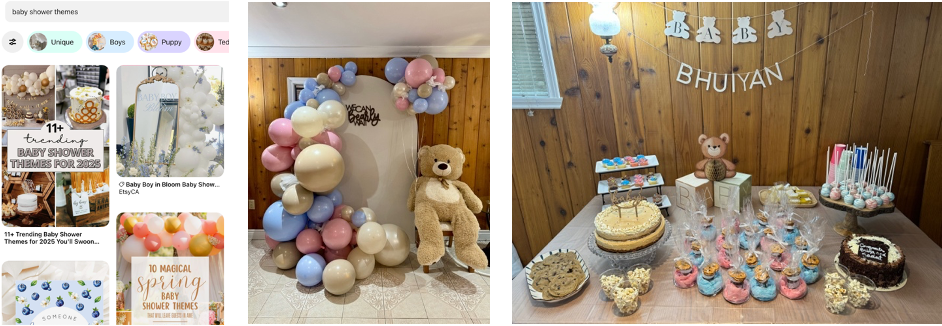
Consumption alone doesn’t drive innovation—execution does. Pinterest democratized inspiration, fueled the DIY movement, and bridged the gap between digital curation and tangible results. Users translate pins into projects—whether baking, repurposing furniture, or designing a workspace. While some argue that digital spaces encourage passive consumption, research from Health Behavior Research found that platforms like Pinterest support motivation and creative intent, offering users tools to take action.
Users fosters a cycle of discovery, experimentation, and creation, proving that digital culture is about transformation, not just consumption. Just as an effective Pinterest board connects concepts, strong writing relies on smooth transitions—ensuring engagement with ideas rather than just collecting them.
With ideas of over 553 million active users, Pinterest continues to evolve, integrating AI-driven personalization, video pins, and monetization tools. Yet at its core, Pinterest remains a place where ideas take shape—where a blank board isn’t empty but a starting point for new projects. As digital trends shift, Pinterest stands out by fostering exploration and action over fleeting engagement.
Pinterest’s impact isn’t just in its algorithm or user base—it bridges the gap between the digital and physical creative process. For those who love making, baking, and crafting, it remains an endless source of ideas. Pinterest isn’t just about collecting—it’s about making creativity accessible to all. Whether it’s a small craft or a major project, every pin is a step toward bringing ideas to life.